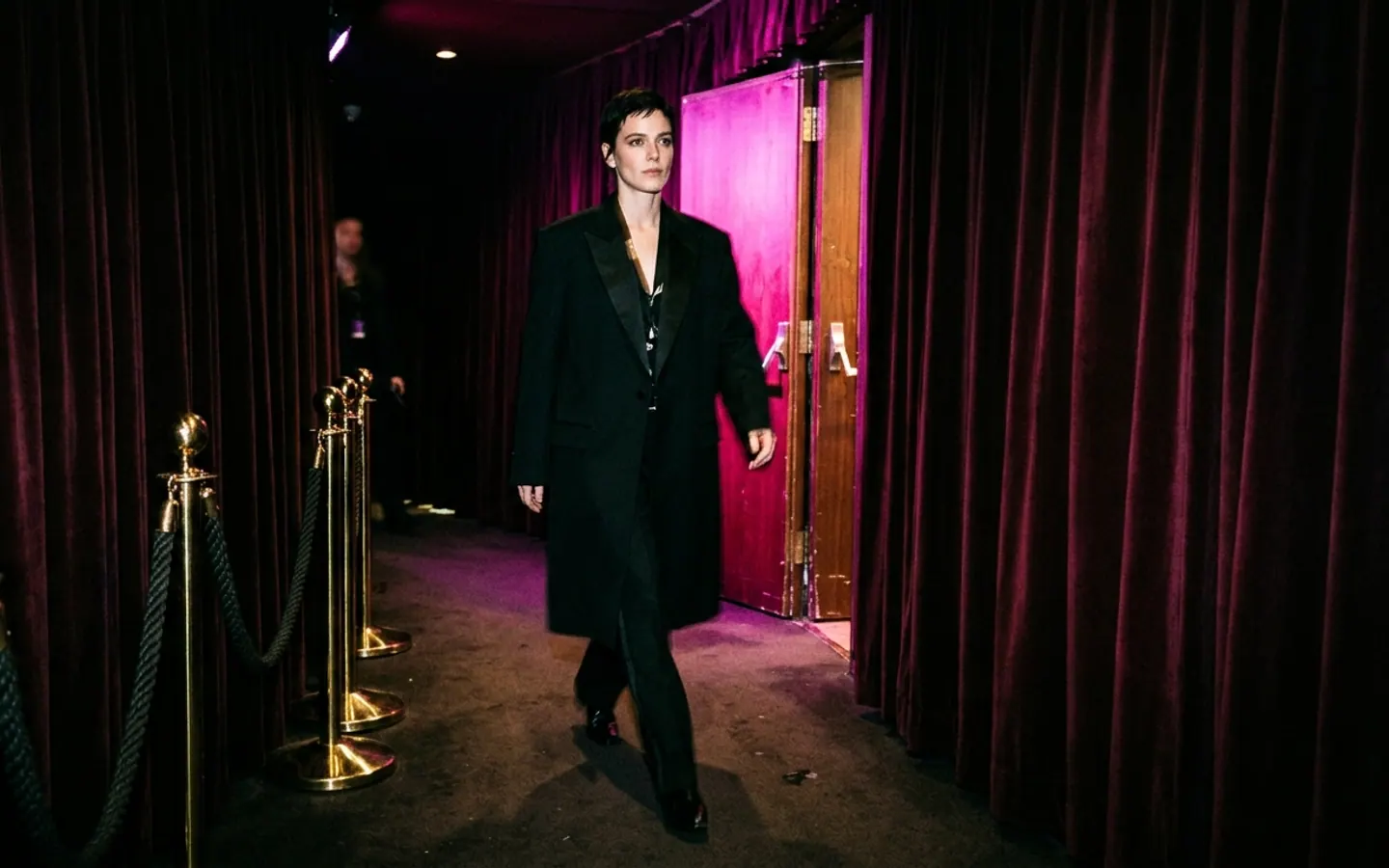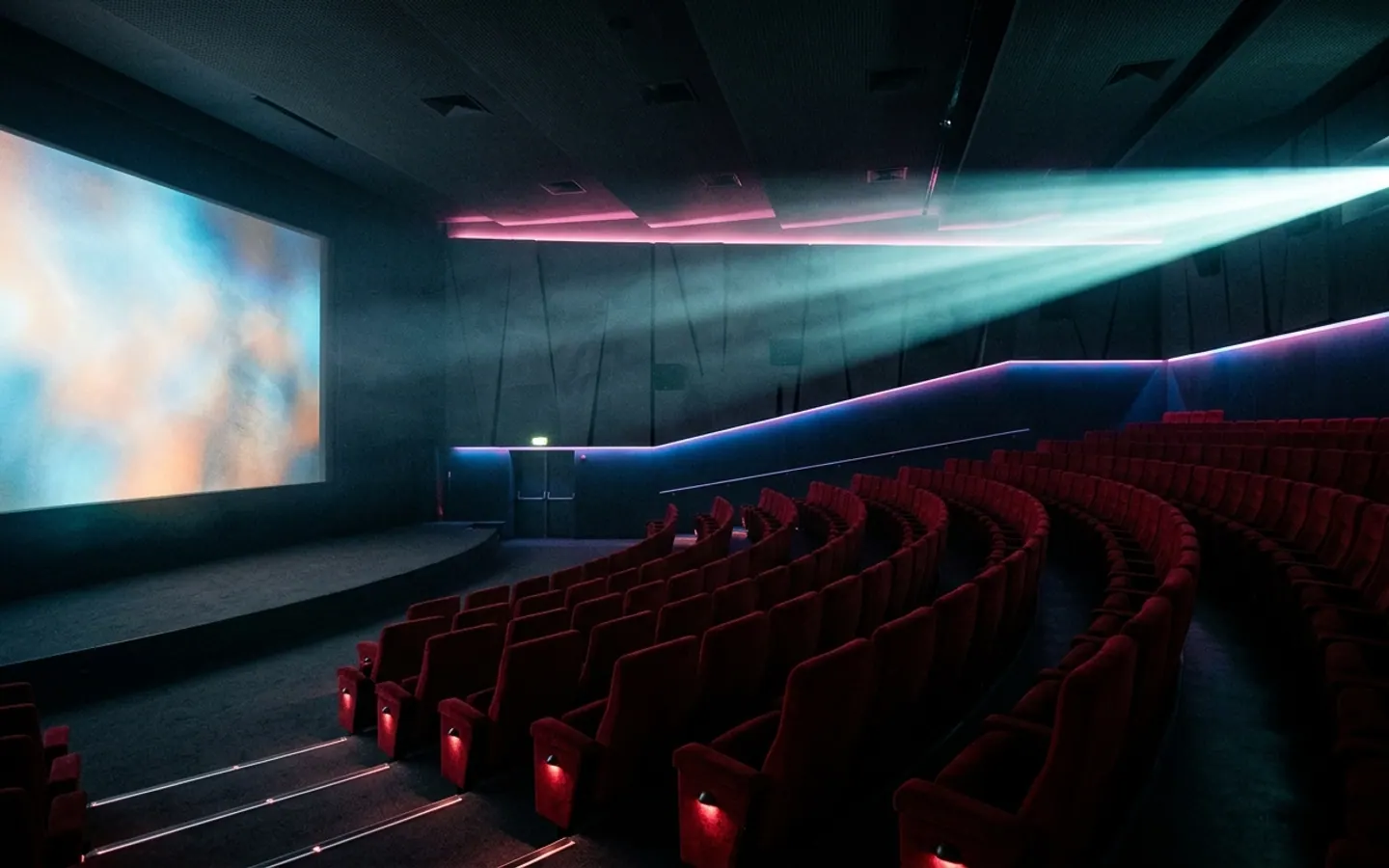
When a 280-seat neighborhood cinema in East London announced a Friday midnight screening of a restored 1997 Hong Kong neo-noir on an original 35mm dye-transfer print, all tickets vanished in eleven minutes. Seventy-two percent of the buyers checking in at the crimson velvet foyer were under twenty-nine—a demographic studio executives spent the last decade insisting would only watch movies on 13-inch laptops.
Why Projection Booth Craft Matters Again
Streaming libraries cycle titles in and out of licensing windows every month, leaving viewers fatigued by algorithmic carousels. Repertory programmers respond with human curation: a five-minute live introduction from a projectionist explaining reel changeovers, zero commercial trailers, and custom analog synth lobby playlists before the curtains part.
Training a new cohort of dual-projector booth operators took concerted guild investment. Eighteen independent houses across North America and Europe now share shipping crates and print-inspection benches, echoing the tangible craft revival among filmmakers in Rain Towers and Anamorphic Glass: Rebuilding In-Camera Weather on Stage Four.
The Post-Screening Third Place
Crucially, these cinemas keep their lobby espresso and spritz bars open for ninety minutes after credits roll. Instead of bolting for the subway in silence, strangers debate framing and score choices face-to-face—the same appetite for unhurried, phone-free gathering driving No Flash at the Counter: How Hi-Fi Vinyl Bars Replaced Bottle-Service Lounges.
Strobe Screen Desk / R. Delgado
Reader Dispatches (1)
MODERATED DESK- Clara Morales· TorontoNov 10, 2026
Keeping the lobby bar open for ninety minutes after midnight screenings is the whole secret. Half our film club met standing around the poster case after a double feature.