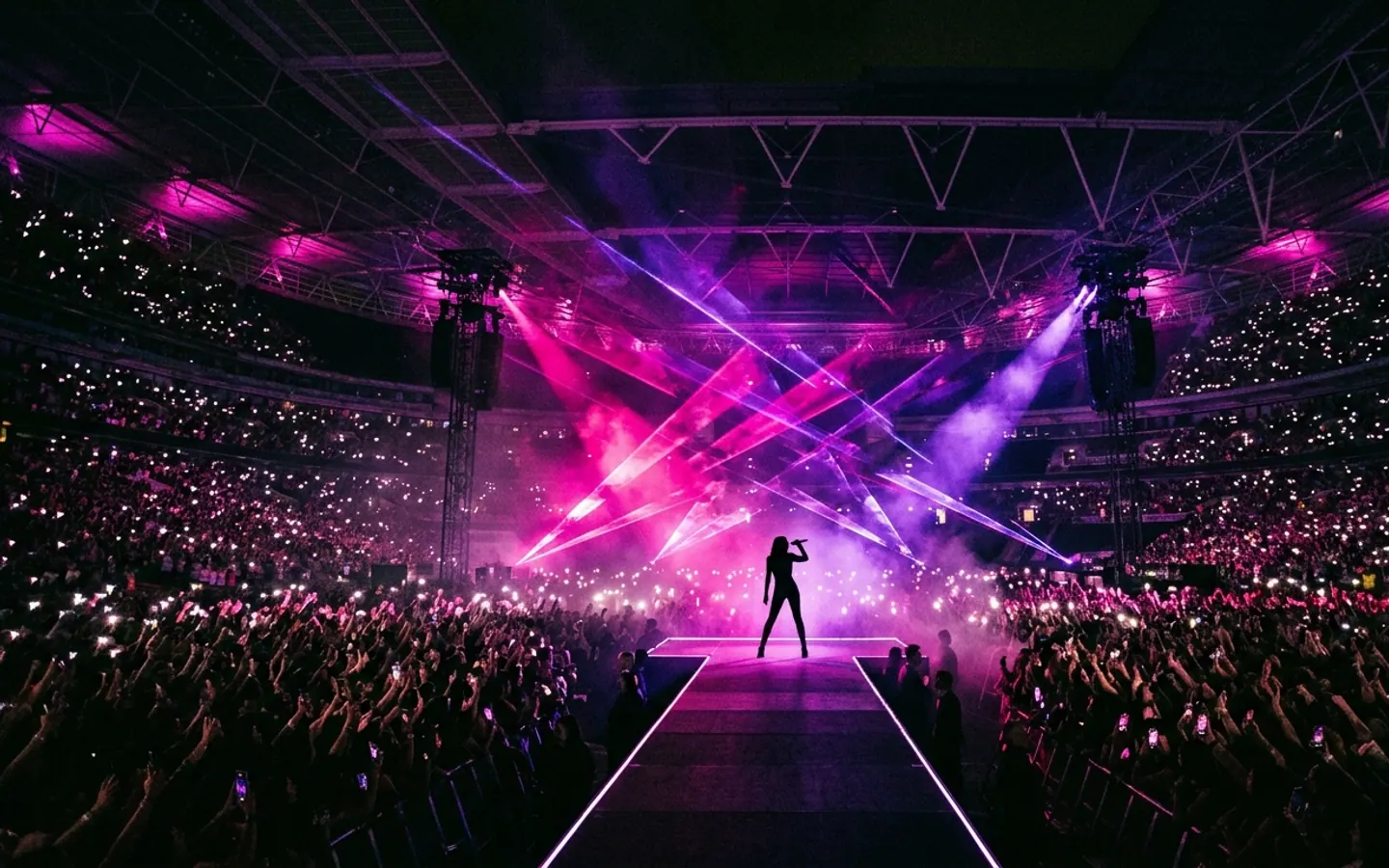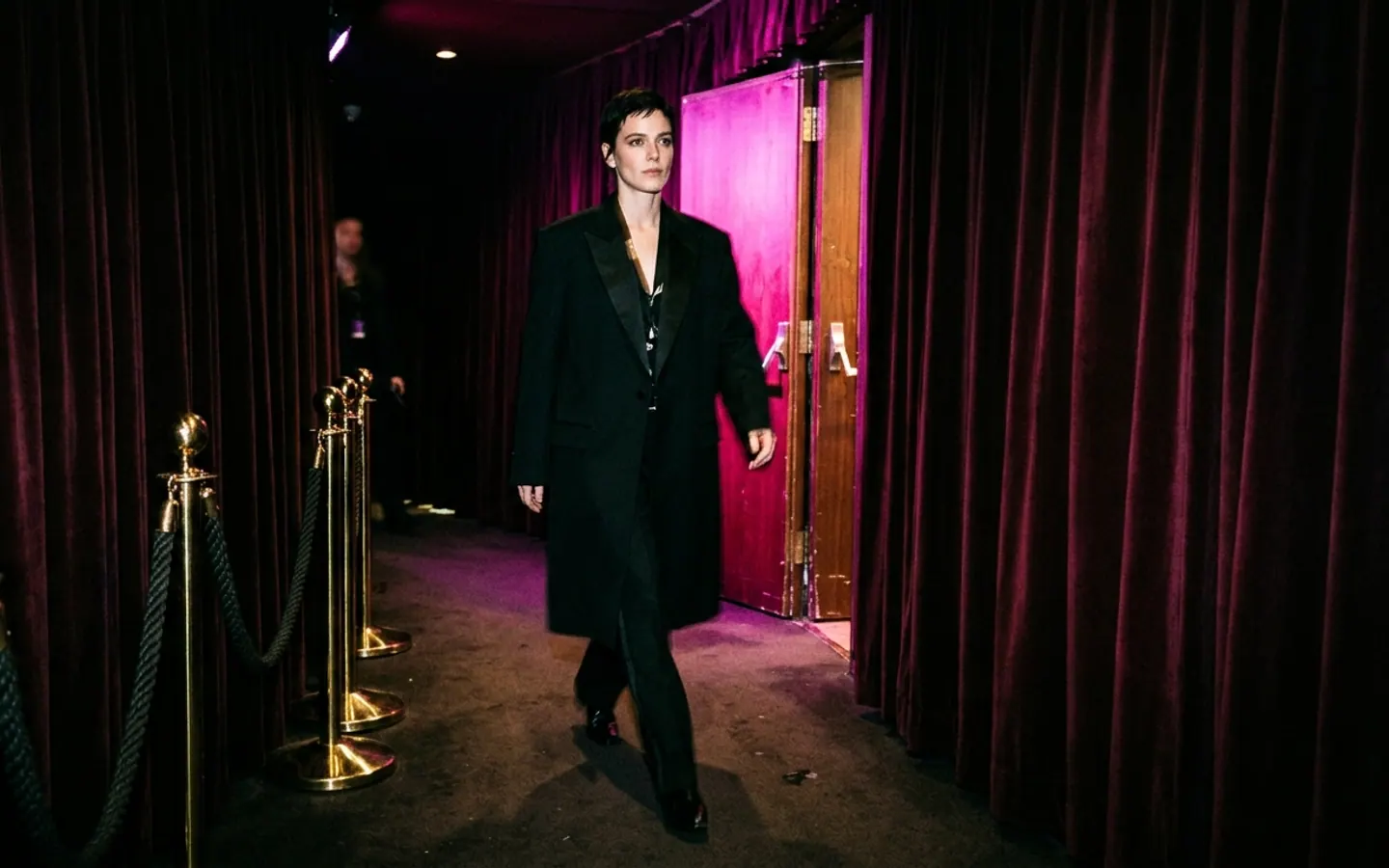
Three years ago, media consultants advised every digital show to chop conversations into frantic nineteen-second vertical hooks with bouncing yellow captions. Today, some of the highest-retaining culture shows on the internet open with a three-minute instrumental synth intro, take live telephone calls from listeners in Glasgow and Montreal, and run for three and a half hours uncut.
Pirate Radio Cadence Meets Multi-Cam Switching
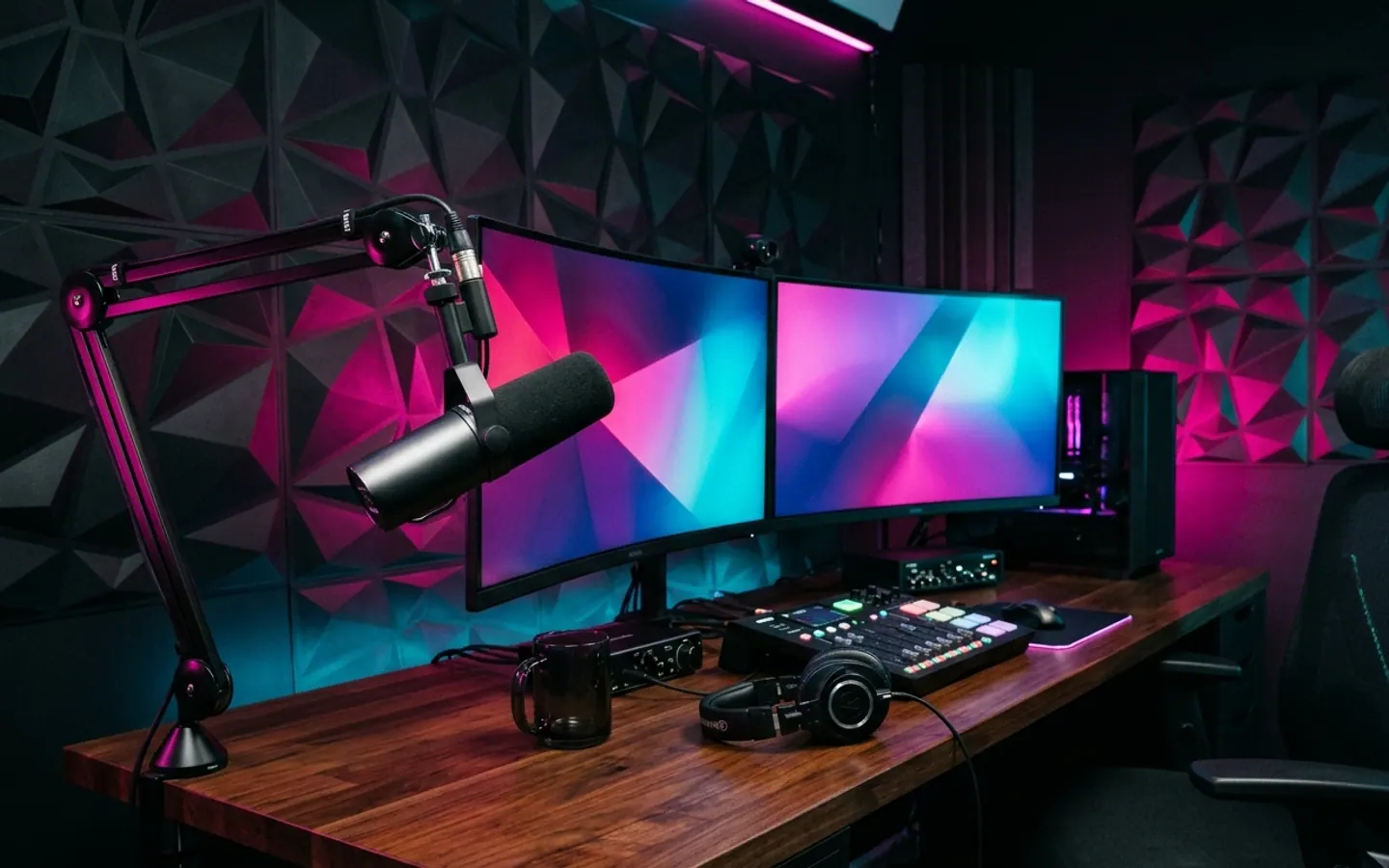
Inside a 38-square-meter acoustically treated room in Brooklyn, two hosts and a live video switcher operate four cinema-sensor cameras, a rotary broadcast fader bank, and a Discord-verified call-in queue. Production budgets stay lean—under $14,000 in total studio hardware—while paid subscriber retention hovers at 91 percent month over month.
Audiences treat these marathons like late-night FM pirate radio, keeping the tab open while cooking dinner, editing photos, or commuting. Even touring musicians prefer dropping by an unscripted two-hour desk hang over rigid broadcast promos, complementing the zine-first press strategies in Why Lead Actors Traded Late-Night Sofas for Direct-Flash Print Zines.
Owning the RSS Feed and Archive
By anchoring revenue in direct reader and listener memberships rather than volatile platform ad-share pools, independent broadcast collectives control their own back catalogs and live event ticketing—often staging sold-out visual listening nights inspired by When Museum Queues Look Like Club Nights: Inside Kinetic Light Architecture.
Brooklyn Broadcast Lab / N. Cho
Reader Dispatches (0)
MODERATED DESKNo reader dispatches on this story yet. File the first response below.